


Polymaker
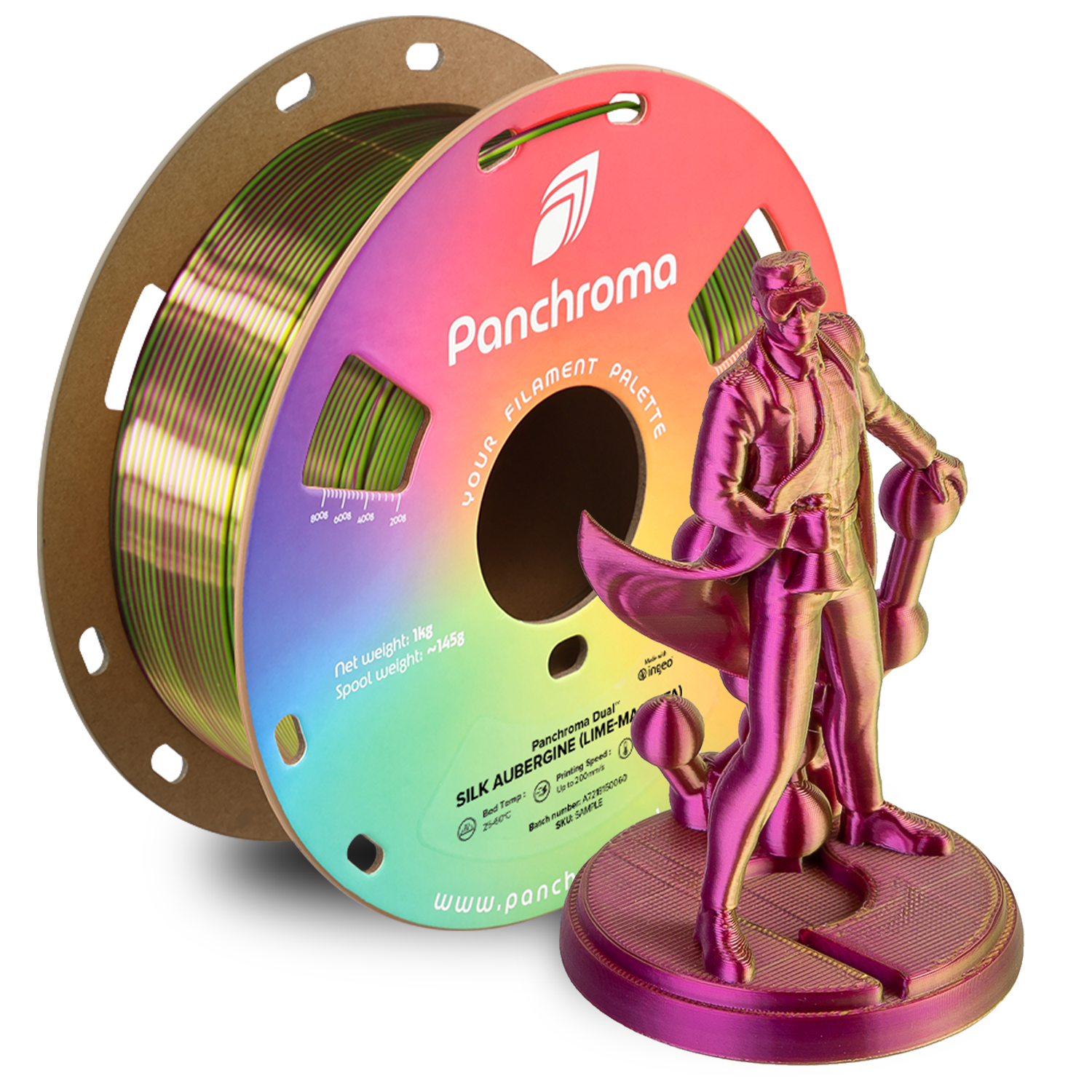
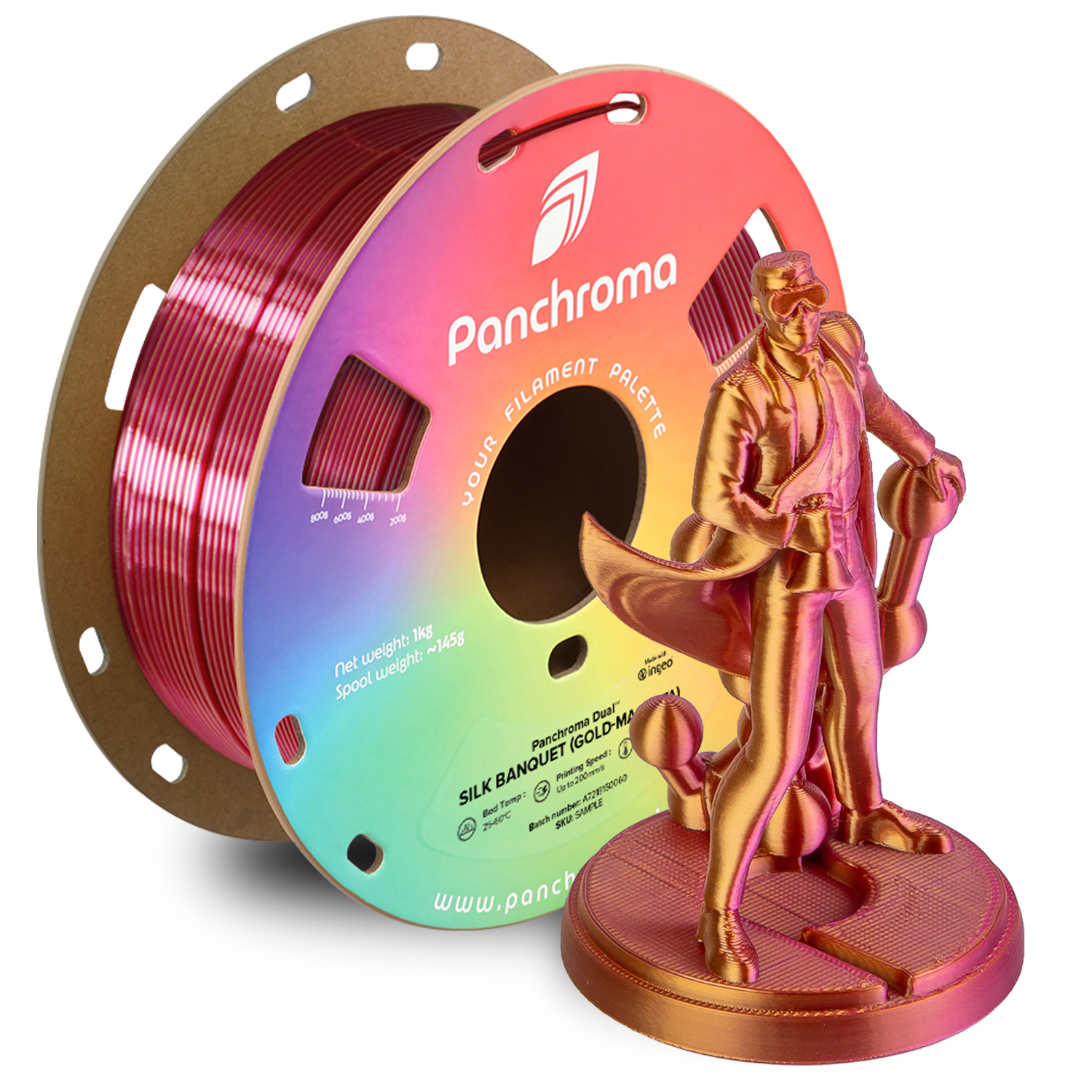
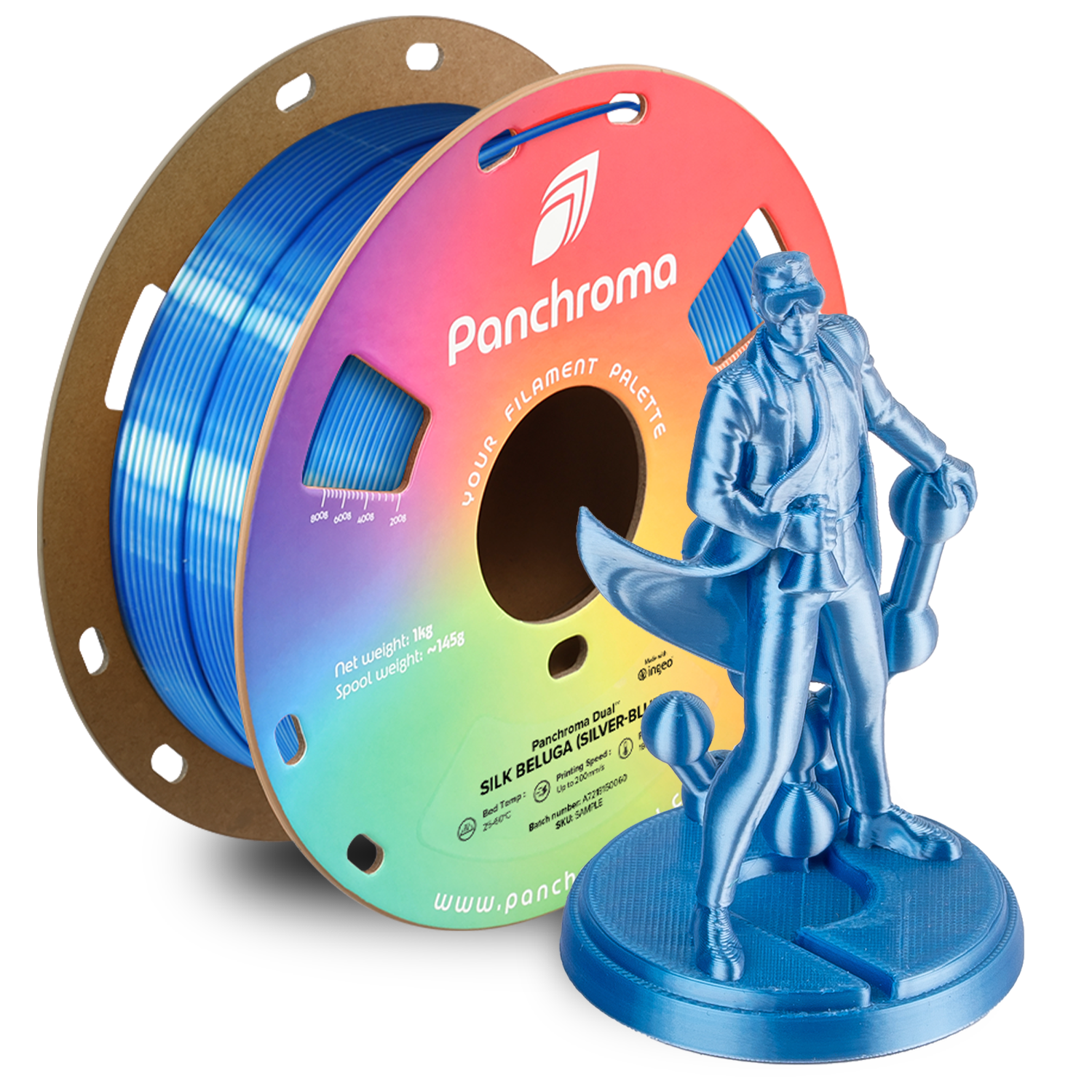
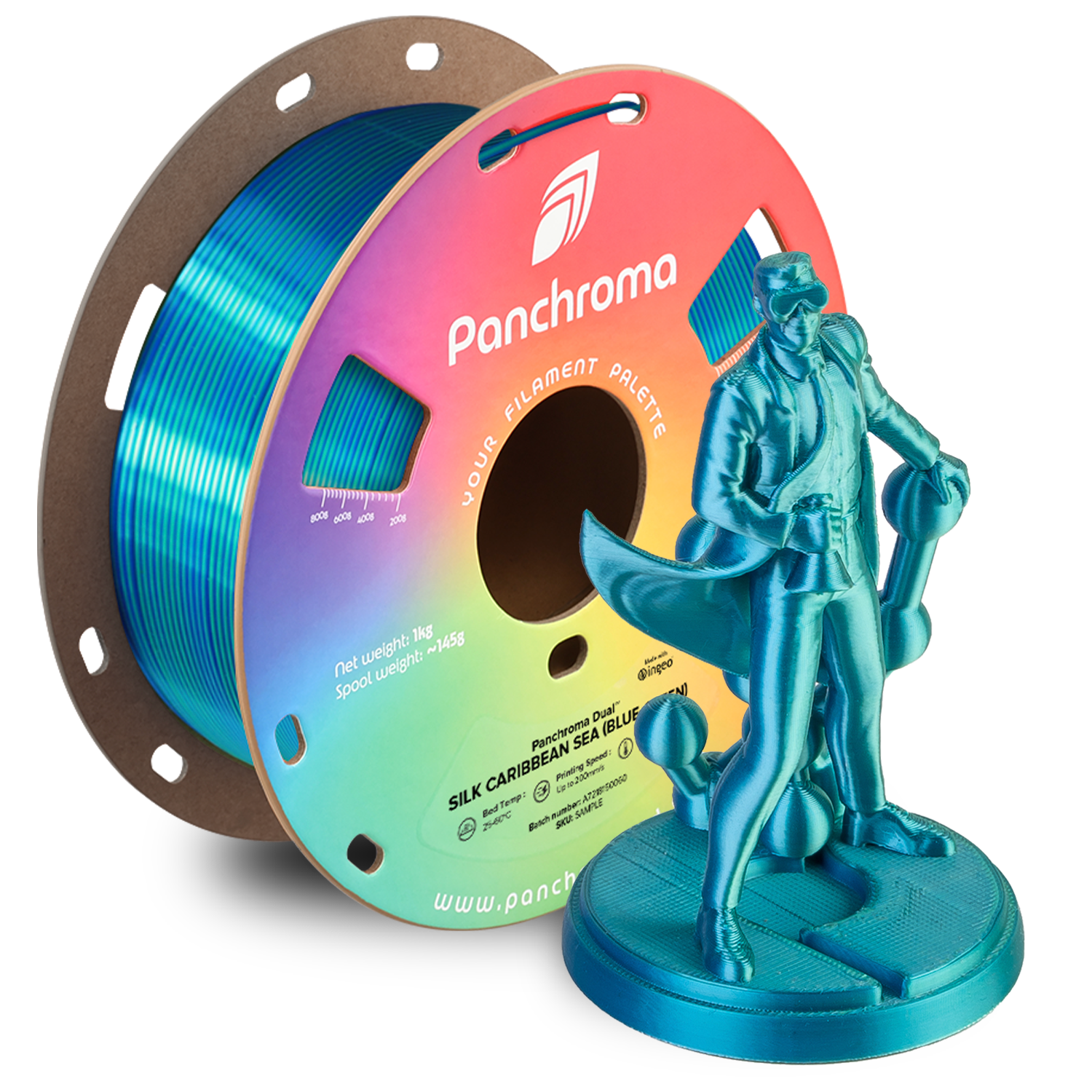
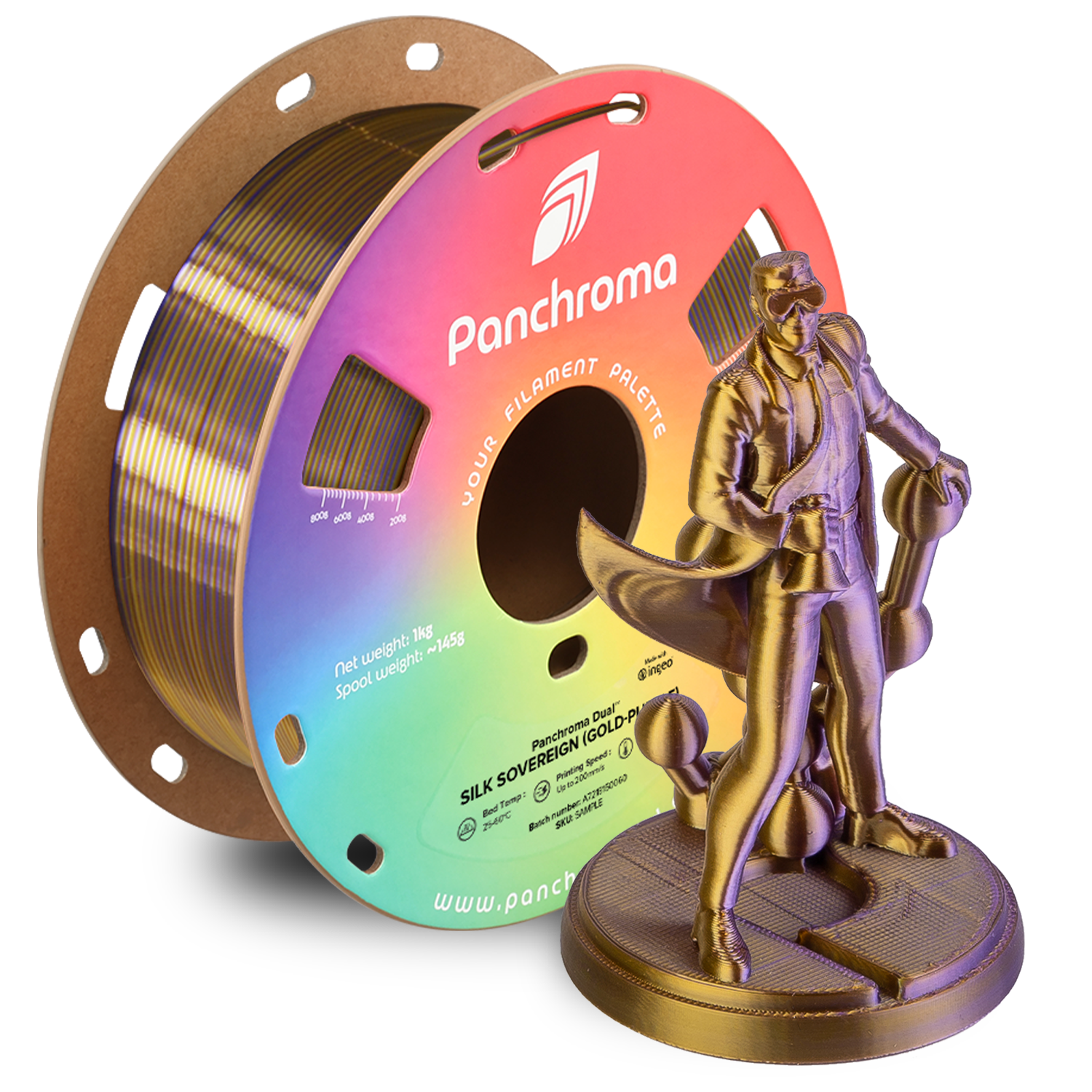
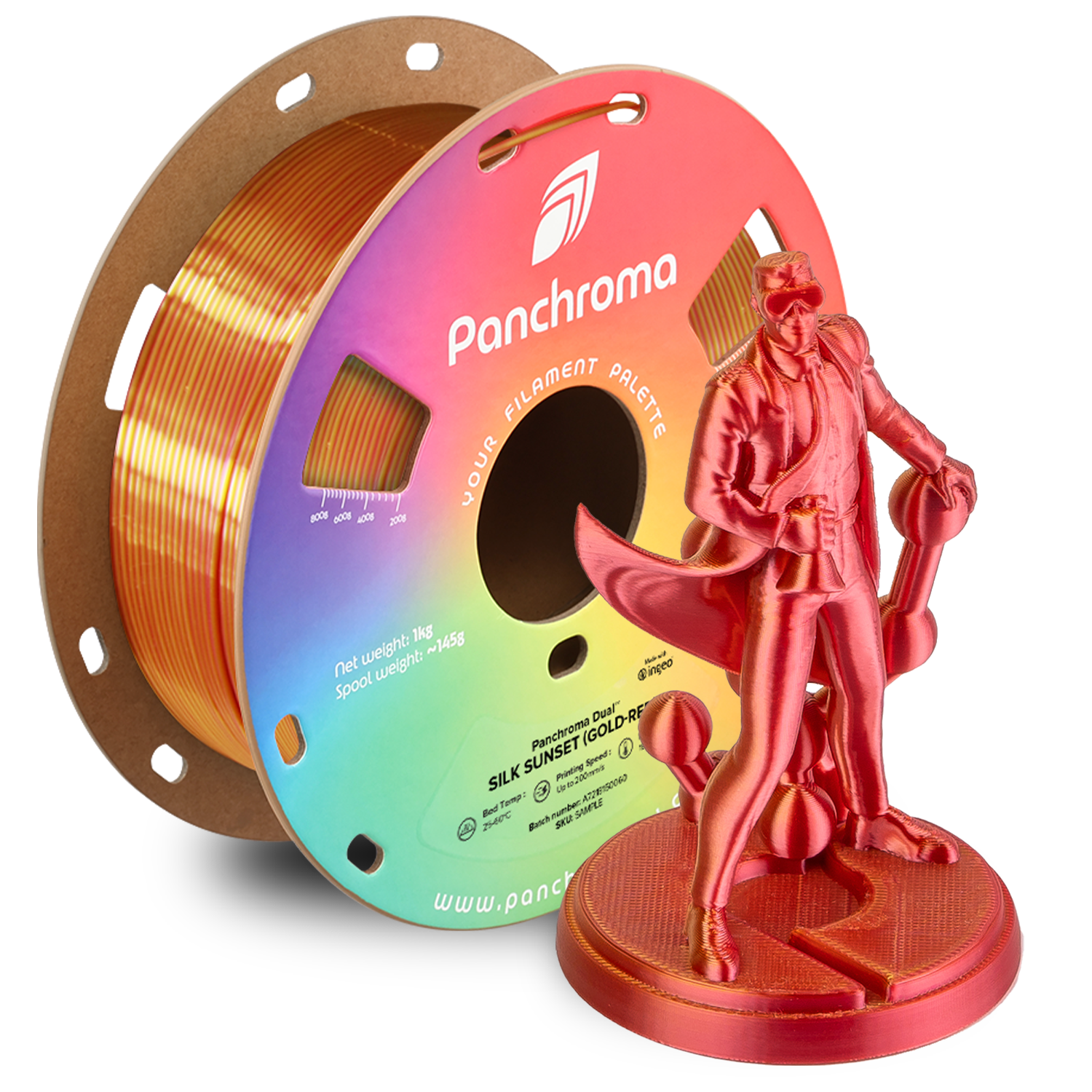
Panchroma PLA Silk Dual 1.75mm

We have 8 in stock.


Panchroma PLA Silk Dual 1.75mm
Aubergine / 1kg

EC3D Shop - Maarssen, Utrecht
Pickup Available - usually ready in 2 hours
Address:
Gagledijk 2, Unit B2
3602 AL, Maarssen, Utrecht
Contact details:
Telephone: +31 (0)6 2914 7428
Email: info@ec3d.nl
Trading Hours:
Monday - Friday: 09:00 - 17:00
Saturday & Public Holidays: 10:00 - 15:00
Sunday: Closed
Polymaker Panchroma™ Silk PLA: The Ultimate Filament for High-Speed and High-Shine 3D Printing
Discover the next generation of aesthetic 3D printing with Polymaker's Panchroma™ Silk PLA. Formerly known as PolyLite™ Silk, our new and improved formula is meticulously engineered to eliminate the common frustrations of traditional silk filaments. Say goodbye to brittleness and frequent nozzle clogs, and hello to a seamless printing experience that delivers both speed and stunning visual quality.
Unmatched Performance and Reliability
Panchroma™ Silk PLA is designed for modern 3D printers and high-speed applications, allowing you to print at speeds up to 250mm/s without compromising the final result. While other silk filaments lose their luster at high speeds, our unique formulation ensures a consistent, silky-smooth shine and exceptional layer adhesion, giving your creations a professional, polished look. This filament's reliability has been rigorously tested to outperform generic brands, providing you with a cleaner, more consistent flow and fewer failed prints.
Key Features:
- Optimized for Speed: Print up to 250mm/s while maintaining perfect surface finish.
- Enhanced Durability: Our new formula significantly reduces the brittleness common in other silk filaments.
- Clog-Free Guarantee: Engineered to provide a smooth, consistent extrusion and prevent nozzle clogging.
- Superior Layer Adhesion: Creates strong and durable parts with excellent layer bonding.
- Plug-and-Print Compatibility: Works seamlessly with most FDM 3D printers, requiring no special hardware or complex settings.
Recommended Printing Settings (Based on a 0.4mm Nozzle):
- Nozzle Temperature: 190°C - 230°C
- Bed Temperature: 25°C - 60°C
- Printing Speed: Up to 250mm/s. For the best silk finish, it is recommended to print with a slower outer wall speed.
- Cooling Fan: ON
- Retraction Distance: 1 - 3mm
- Retraction Speed: 20 - 40mm/s
- Drying Settings: 55°C for 6h (only if the material has absorbed moisture)
Note:
Click on the Polymaker Materials Database link to explore a vast collection of material information.
Together, Layer by Layer!